New Clothes for the Children of a Purulia Gurukul
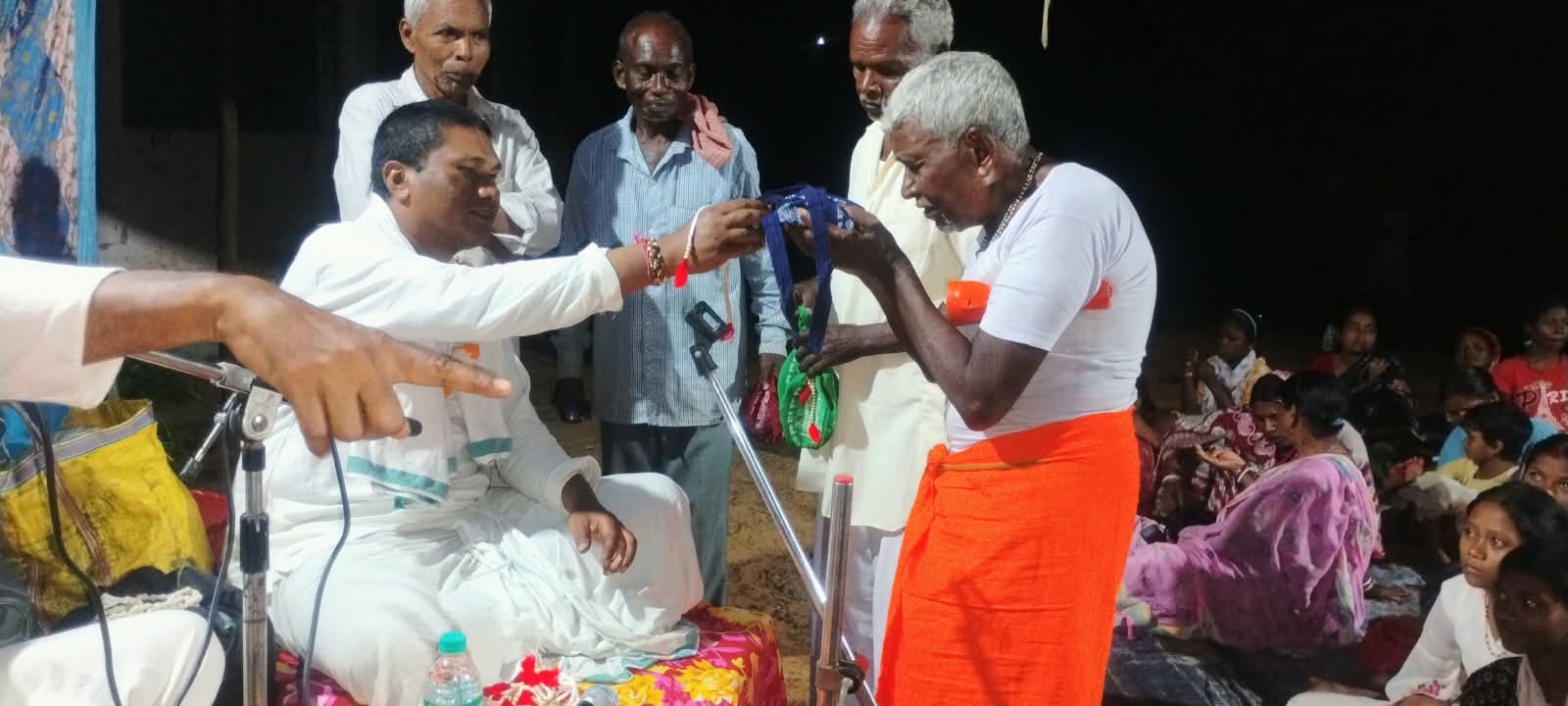
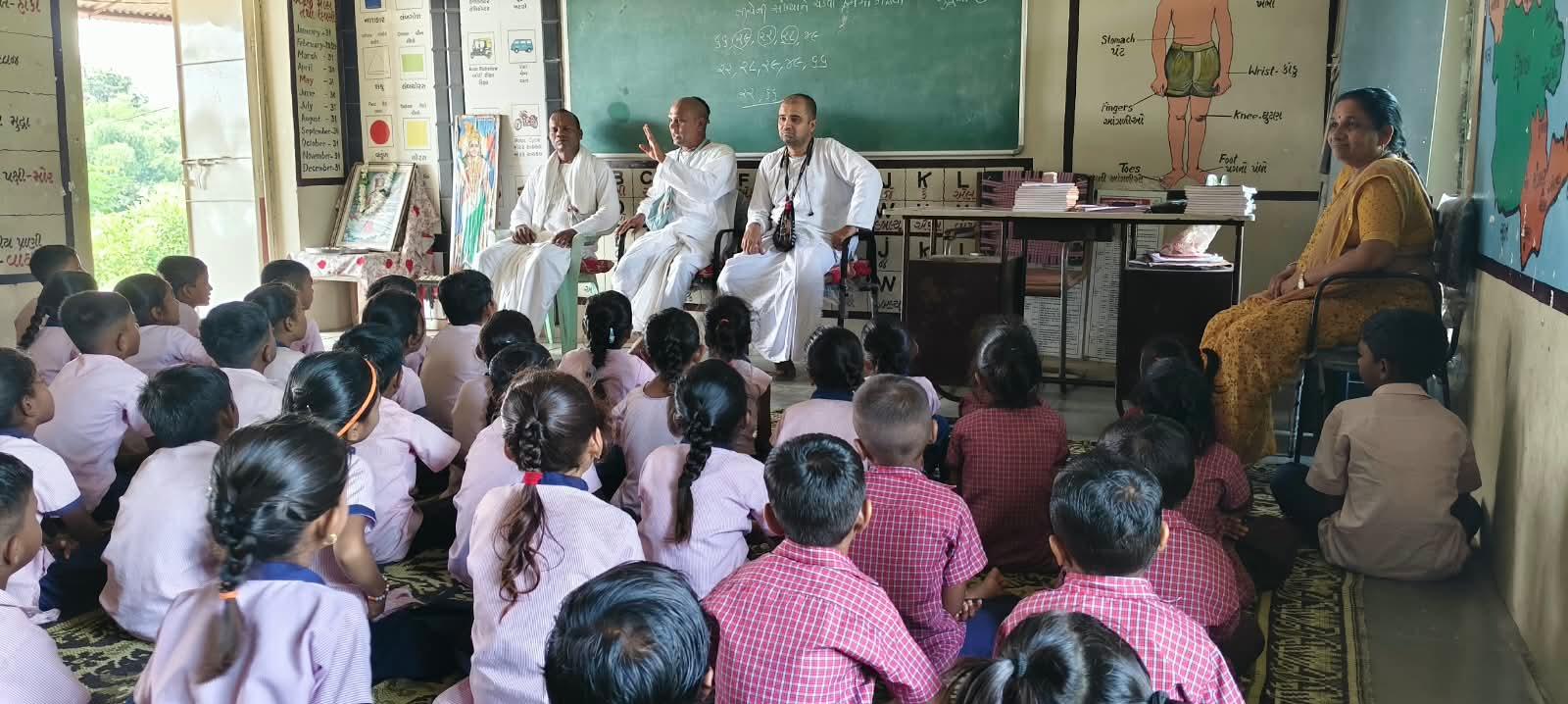
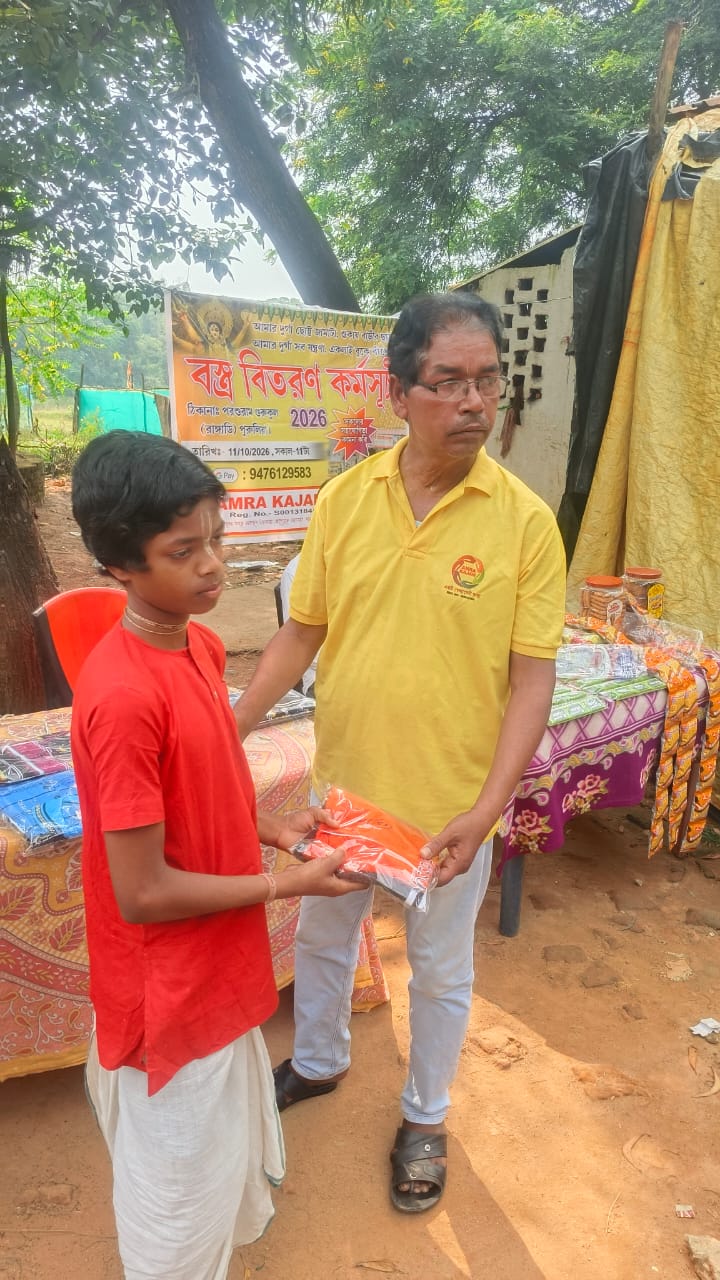
Two field reports from Purulia district in October 2026 describe a distribution rather than a programme. On 11 October, at Parashuram Gurukul, clothes were distributed to all the children on the occasion of Durga Puja. On 14 October, at a gurukul in Purulia district run by a local social worker, new clothes were given to every child. Both reports are short, both name the gurukul and the children, and neither describes anything beyond the distribution itself.
What the two reports state
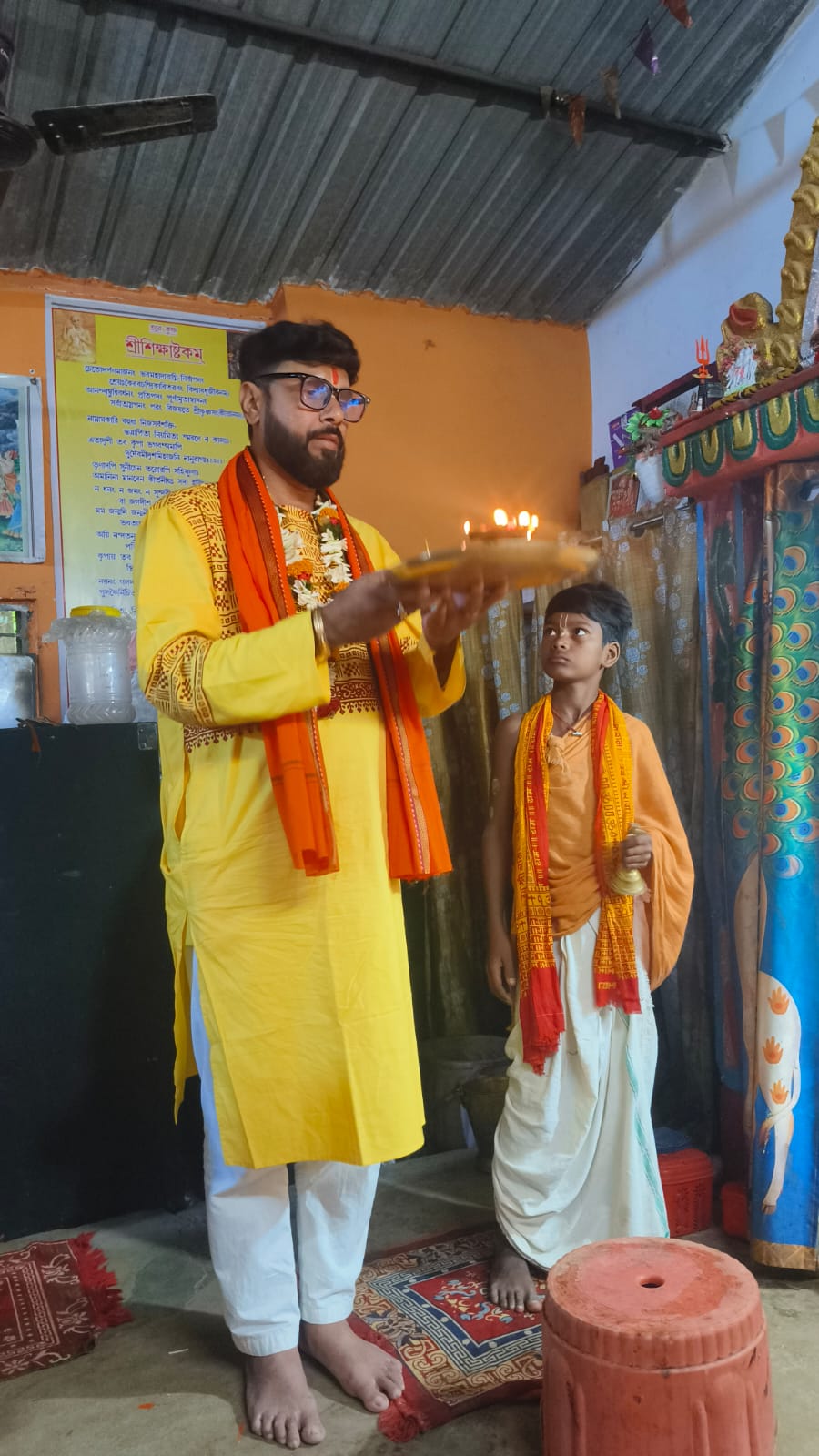
The 11 October report says that a clothes distribution ceremony was held that day at Parashuram Gurukul for all the children, on the occasion of Durga Puja, and that a few social workers from Purulia were present. The 14 October report says that at a gurukul in Purulia district, run by a well-known local social worker, new clothes were given as gifts to all the children.
The reports do not describe a speech, a list, or a selection. They say every child, and new clothes.
Clothes at a festival
Durga Puja is the festival in which a Bengali household is expected to appear in something new. The expectation is social before it is religious: relatives visit, photographs are taken, and a child who has nothing new is visible in every one of those moments.
A gurukul is a residential place of learning, and the children in it are there because their families cannot keep them at home and in school at the same time. At a festival, that distance from the family household becomes visible in a particular way. The distribution does not close that distance, but it removes one conspicuous difference between the children in the gurukul and the children who came to visit them.
Why the gift is clothes
Clothes are the least ceremonial useful gift. They need no maintenance, no instruction, and no follow-up; they are worn the same day. A book requires a reader, a tool requires training, and money requires a decision by an adult. Clothes require nothing from the child.
That is also why distributions of this kind are usually reported in one line. There is no programme to describe — the ceremony is the handing over, and the event ends when the last child has received a set.
The gurukul as an institution
Both reports speak of a gurukul rather than a school or a hostel. In these districts a gurukul is usually a small residential institution, run by a local figure, where children live, study and take part in the daily devotional routine of the place. Parashuram Gurukul is named in one report; a gurukul in Purulia district in the other.
An institution of that size depends on the person who runs it and on the local support it can gather. A distribution arranged by social workers from the district, at a gurukul they already know, works through that relationship rather than around it.
Where this sits in the work
The distributions fall within the educational care and social care strands of India Tribal Care Trust, which include gurukul and hostel support, clothes and study material for children, and festival distributions. Purulia district in West Bengal is one of the districts where this work is carried out, and October 2026 brought two such distributions in the same week.