In Moran Nasoni, Children Lead the Harinam
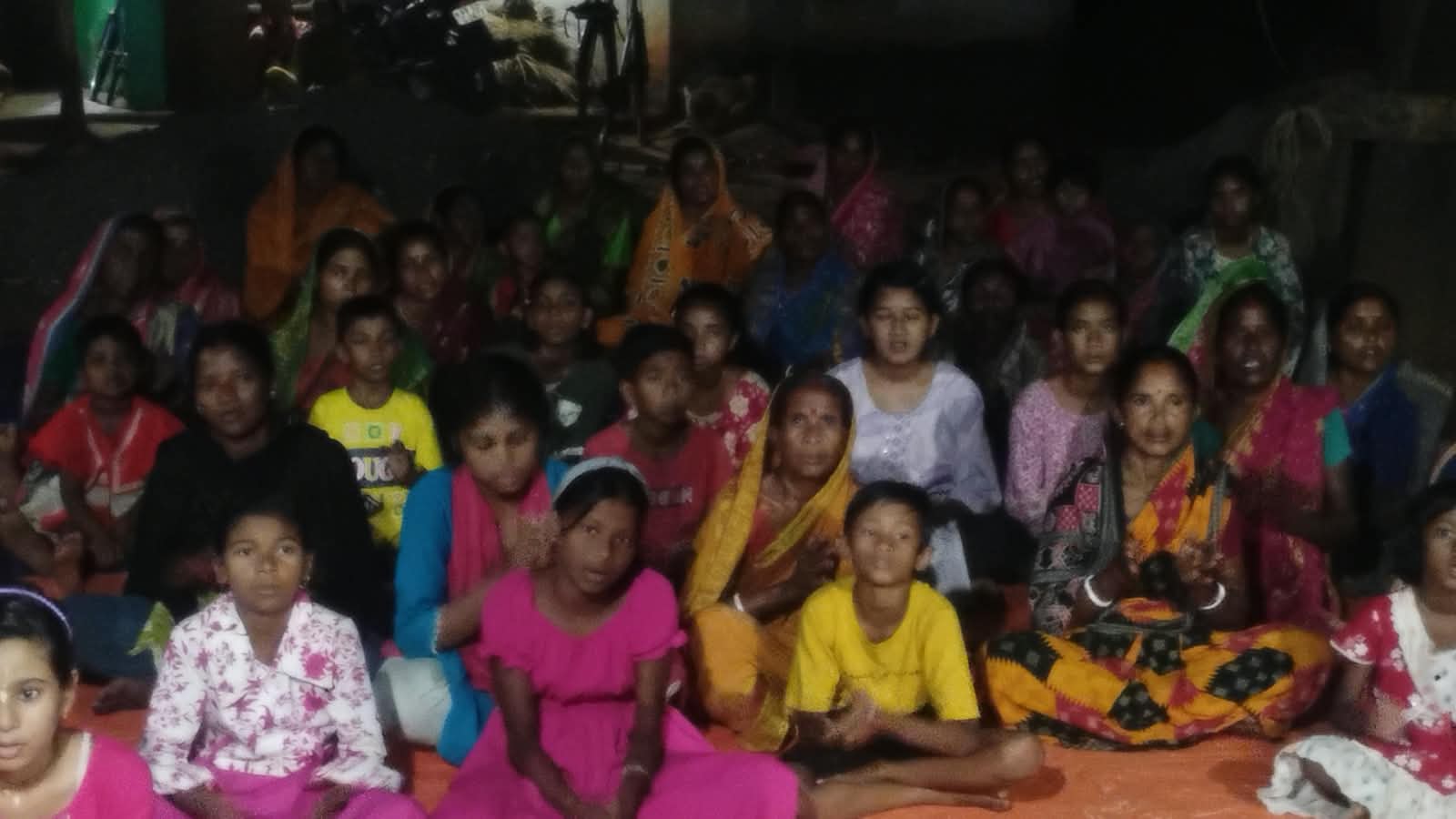
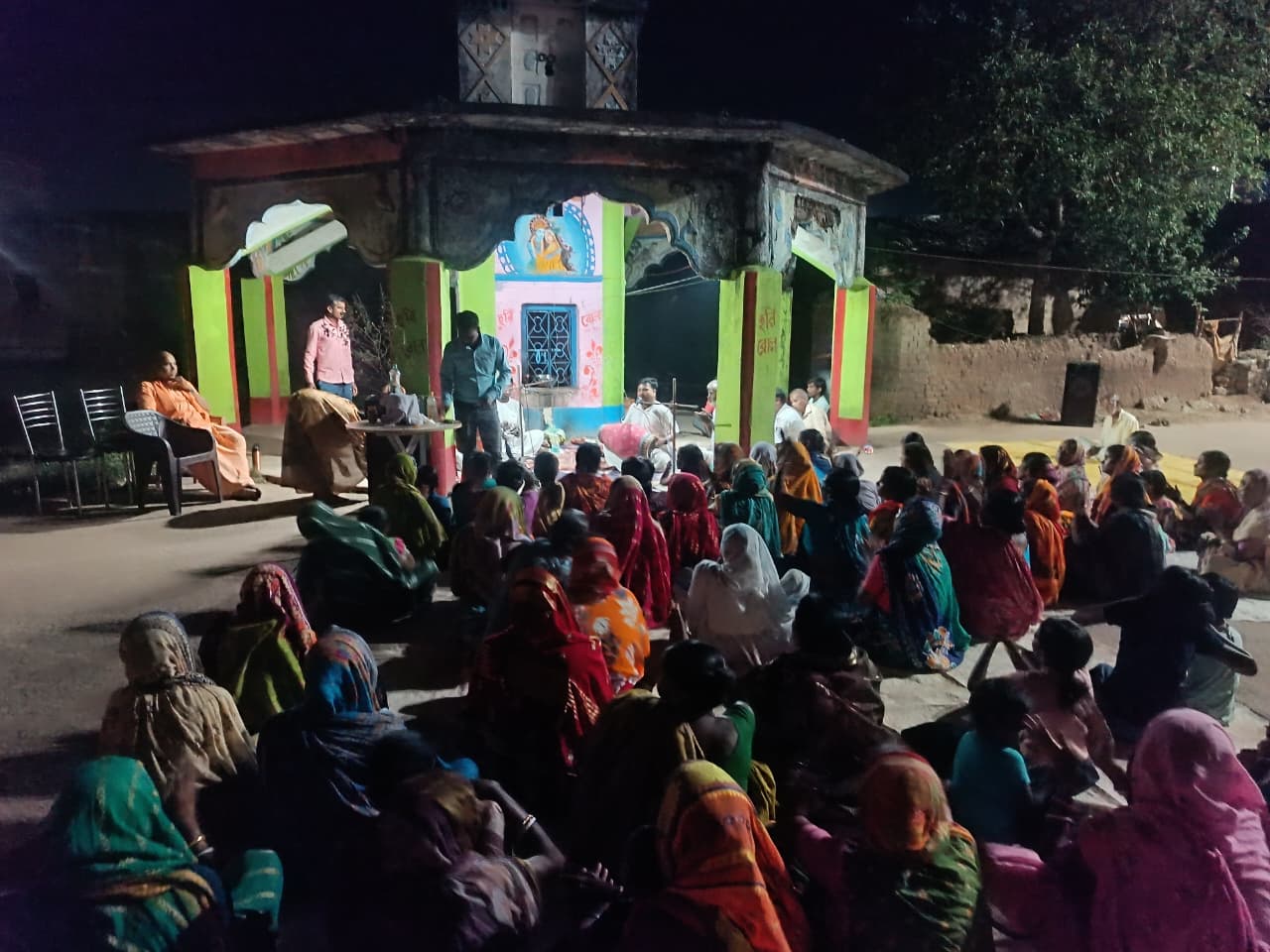
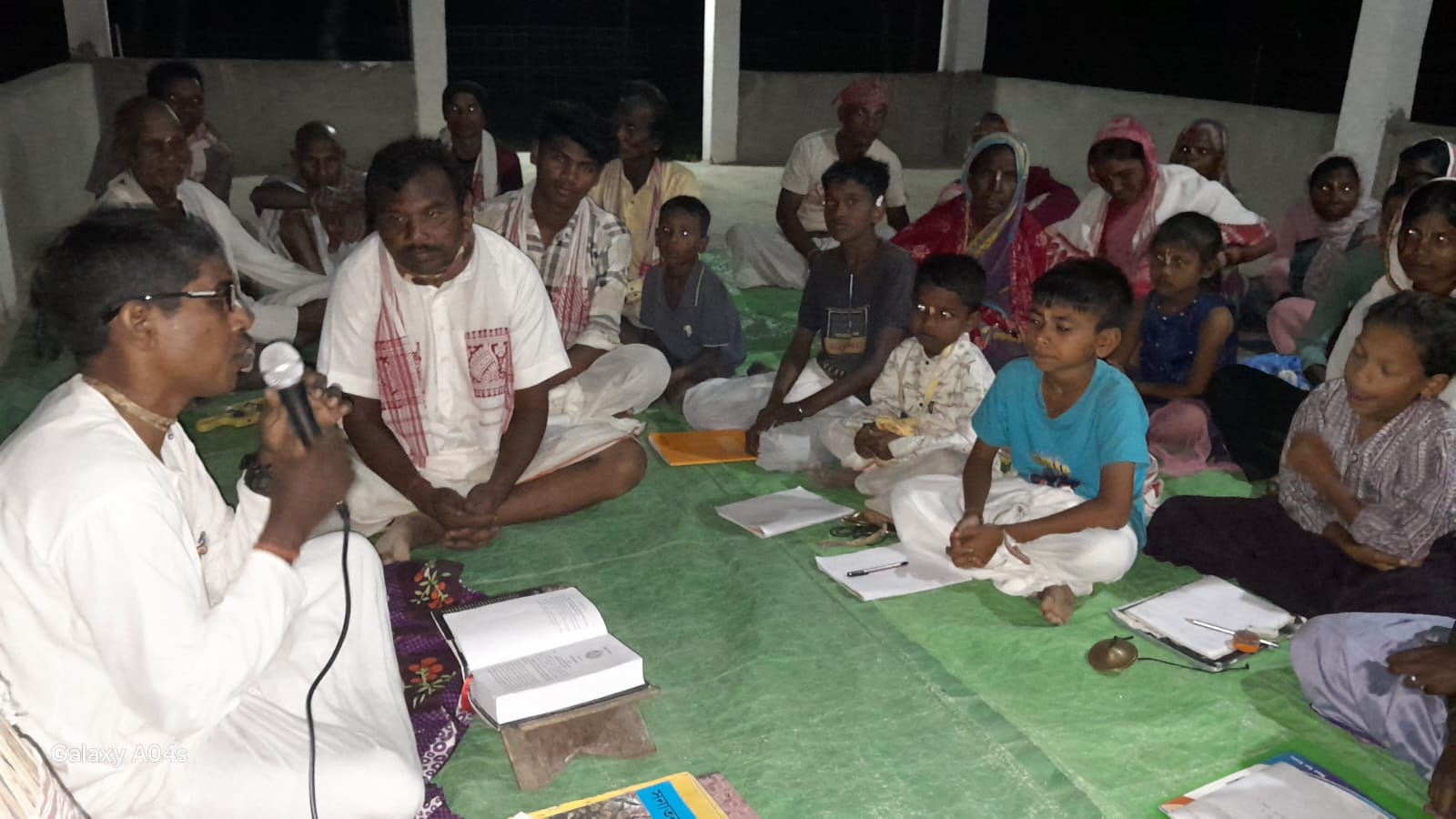
Moran Nasoni is a village in Assam where a weekly programme is held, and the two field reports that reached us in October 2026 put children at the centre of it. The report of 12 October records children reciting Gita shlokas and reading the Gita aloud at the weekly programme of the previous day. The report of 18 October records a Harinam sankirtan performed by the children themselves. The place is identified, in the same reports, as Moran Nasoni village, Assam.
What the reports say
Both reports are short and concrete. One is a weekly programme in which children recite shlokas and read from the Gita. The other is a kirtan carried by the children. Nothing in either report describes a stage, an invited audience, or a crowd brought in from elsewhere.
Why a weekly session
A weekly session needs very little: kirtan, shloka recitation, reading aloud, and a place to sit. A programme that depends on equipment stops when the equipment does; a programme that depends on people continues.
There is also an order to it. When a child recites a verse in front of the village, the text stops being a book kept by adults and becomes something the child owns. When the same children then lead the kirtan, the gathering is no longer arranged for them; it is theirs.
What a shloka recitation is
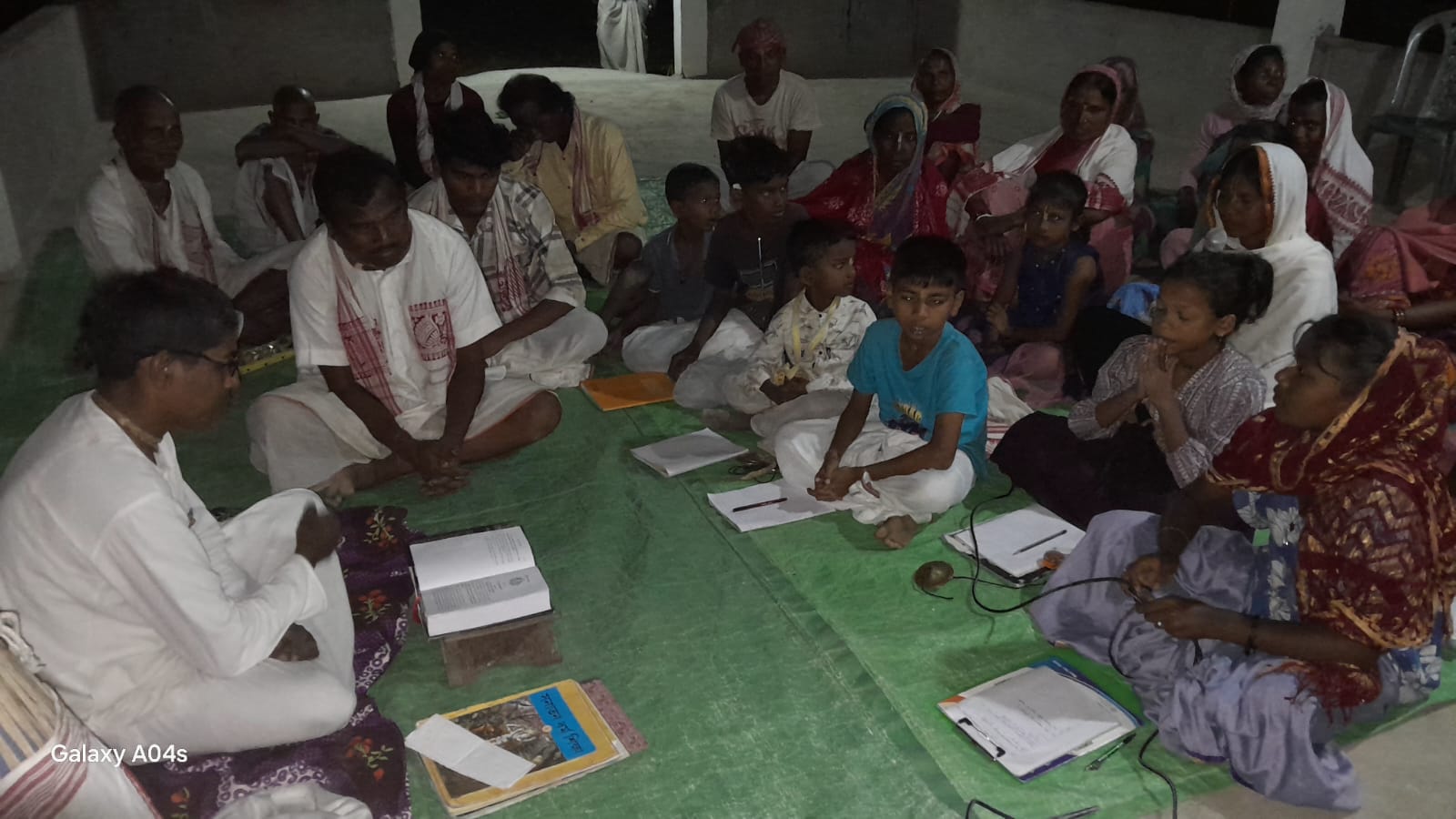
A shloka is a verse composed in metre, and reciting one from memory is the first step of study in this tradition — the step a printed text cannot replace. Reading the Gita aloud afterwards puts the meaning next to the sound, which is the order the reports describe.
Why weekly beats annual
A festival can fill a courtyard once a year. A weekly session changes what a child remembers. Repetition is what turns a shloka into a phrase held by heart, and a melody into something a group can start without a leader from outside.
In many villages adults work in fields or migrate for part of the year. A fixed weekly hour gives children an appointment they can count on. Taking part is voluntary, which is precisely why it means something.
Learning in the language of home
The sessions described are oral: a verse recited from memory, the text read aloud so that it is heard and not only memorised, and the holy name sung together. A child who learns to recite and to read in the language used at home builds confidence before being asked to perform in a school register that may not be his own.
That is why cultural work and educational work are hard to separate in a village this size. The Trust's published programmes are Educational Care, Health Care, Cultural Care, Social Care, Empowerment and the Free Meal & Prasadam Distribution programme, in Jharkhand, West Bengal, Assam and Tripura, and a weekly session of this kind sits in the cultural strand.
What support can change
The session itself is local. The children who recite and sing are from the village, and the reports name Moran Nasoni as the place. What support can change is consistency — whether the book is at hand when a child is ready to read it, and whether the programme can be held in the weeks when nothing else is happening.
That is a modest bill, and it is the kind that is paid monthly rather than once. A weekly programme that is never interrupted does more than any number of large annual events.
What comes next
The next step is the same as the last one: the same village, the same week, the same practice. Over a year, a weekly hour is fifty hours.
To help keep weekly programmes running, visit the donation page.