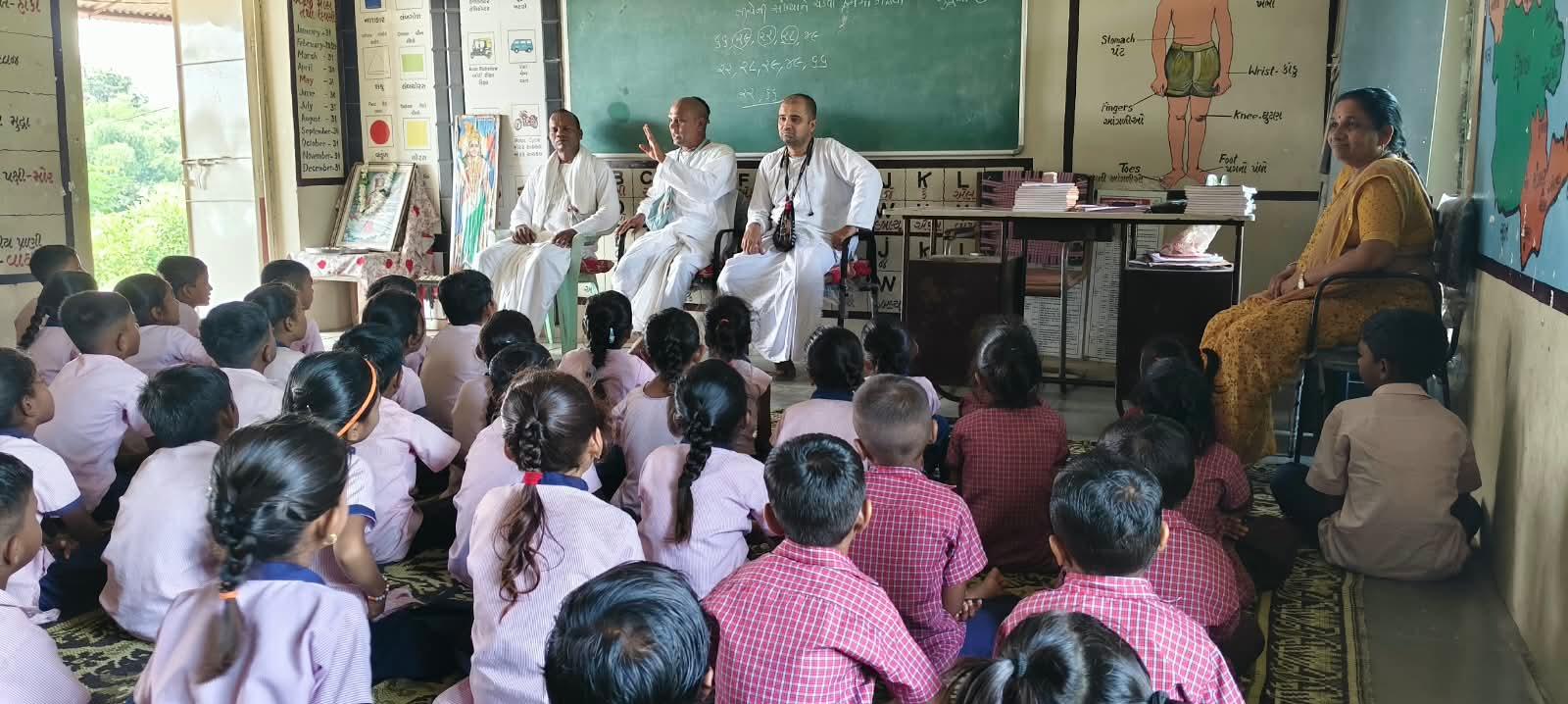
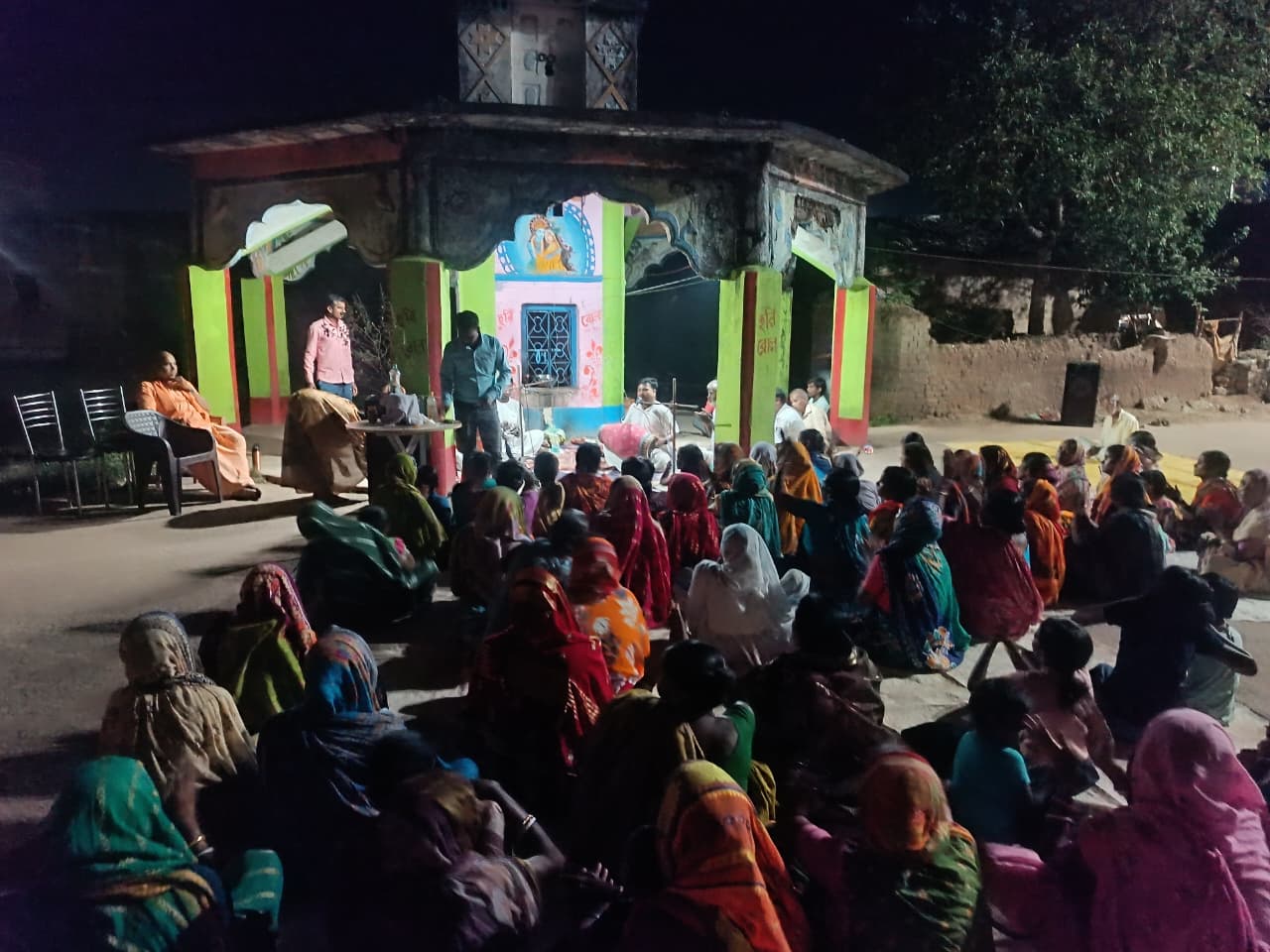
Three Days of Bhagavatam Katha in Bibarda, Jhargram
Bibarda, in Raghunathpur under the Silda area of Jhargram, hosted a three-day Srimad Bhagavatam katha karyakram, reported from the field on 14 and 16 October 2026. Alongside the three days of discourse, copies of the Srimad Bhagavad Gita, japa malas and mahaprasadam were distributed.
What the programme was
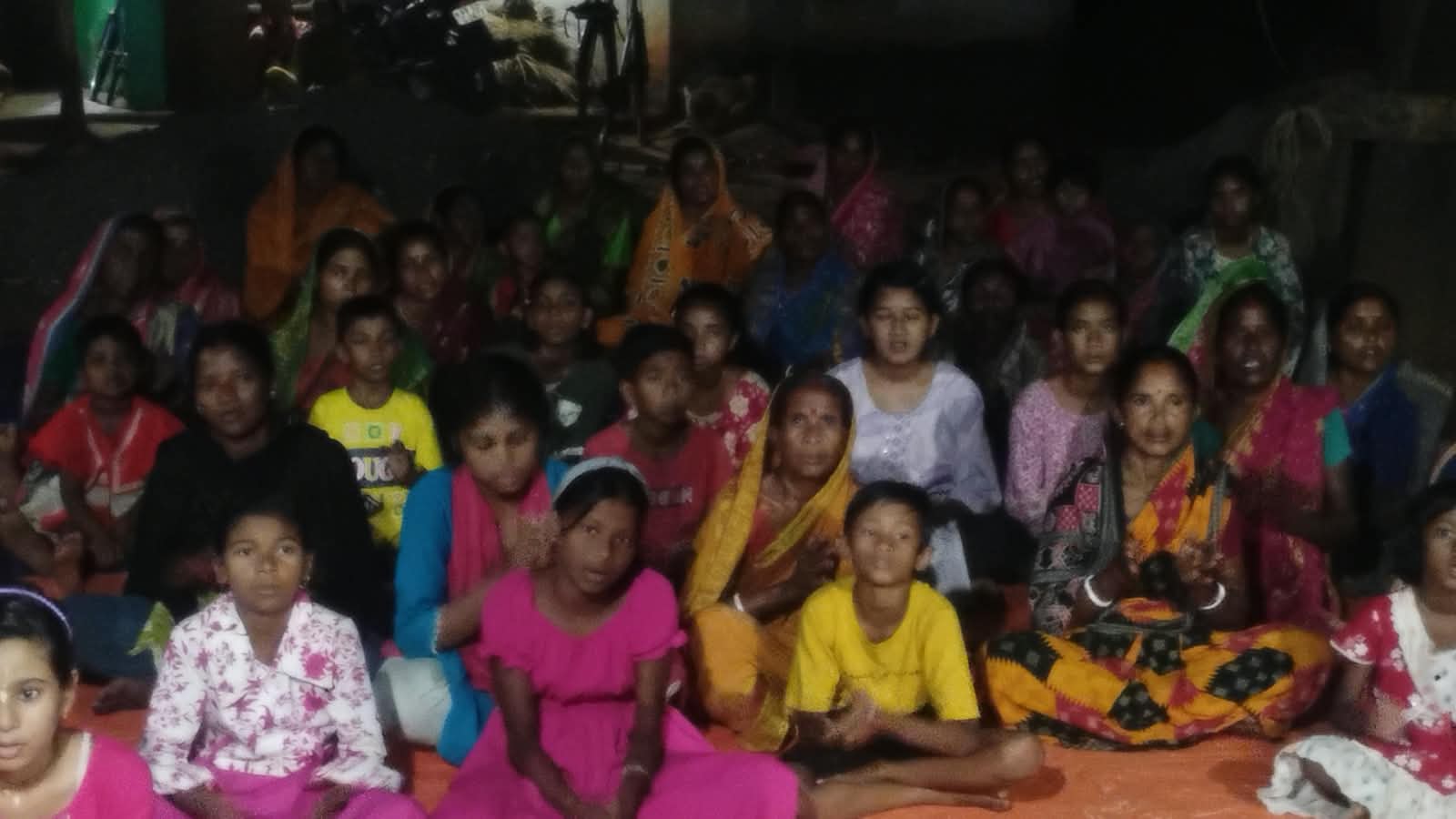
A katha karyakram is a structured reading and exposition of a sacred text, held over consecutive days, usually in a village courtyard or a temporary pandal. In Bibarda the text was the Srimad Bhagavatam, and the field report describes the programme as three days of it.
The distribution is stated just as plainly: Srimad Bhagavad Gita copies, japa malas and mahaprasadam. These are the parts of the programme that outlast it, because a book and a japa mala go home with a family.
Why a spoken text still works here
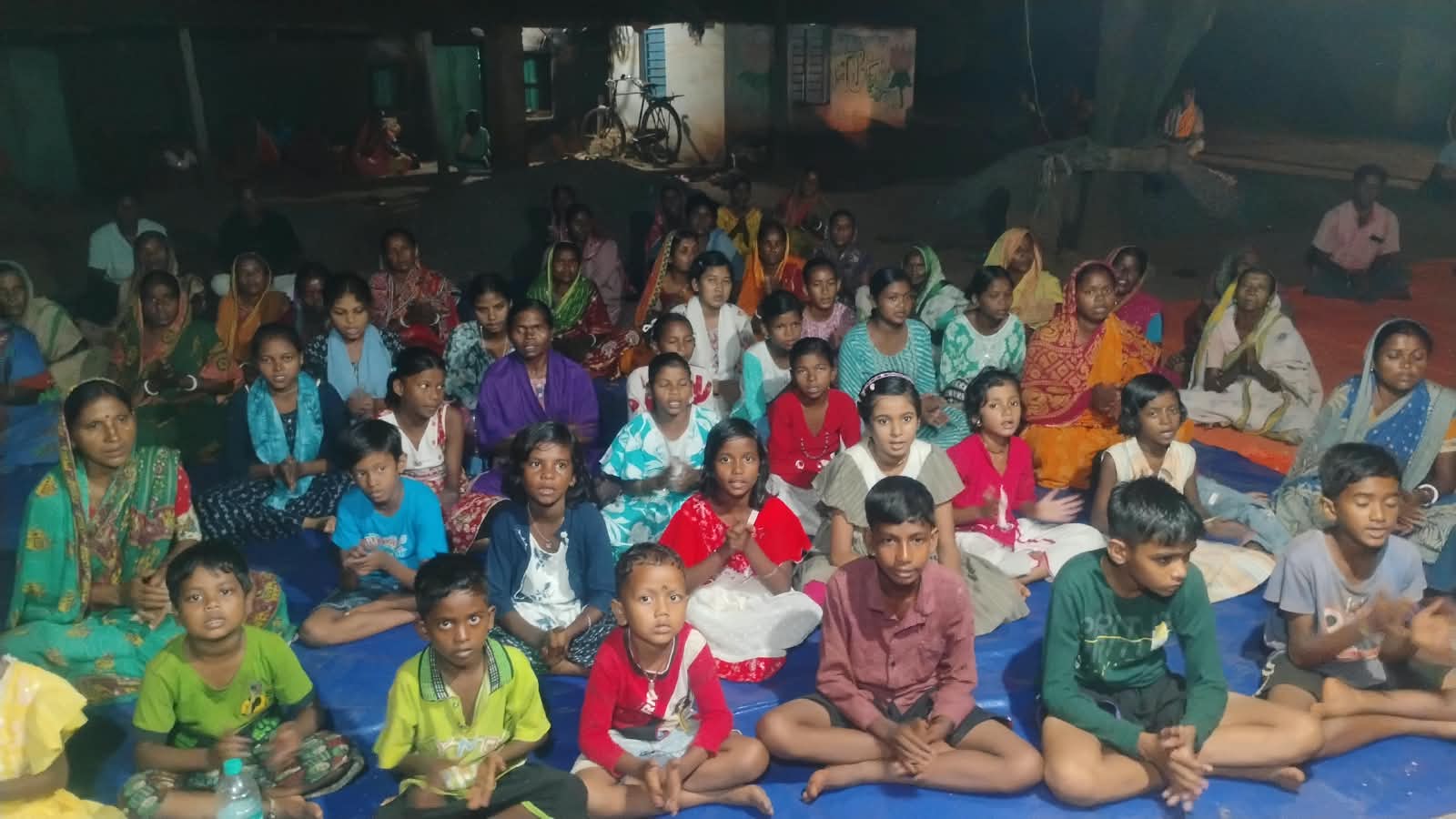
In these villages the printed word is scarce and the working day is physical. A book on a shelf changes very little; a text spoken aloud in the language of the listeners reaches people where they are. The Bhagavatam was composed for recitation, and a katha programme restores that setting — a narrator, a listening circle, and time.
Katha programmes of this kind are held in the village rather than asking the villagers to travel to a town. For the elderly, for women with small children, and for anyone who cannot spare a full day, that difference decides whether they attend at all.
Why three days
A single evening can draw a crowd, but it cannot build a habit. Three consecutive days let the same households return and let the narrative of the Bhagavatam unfold at its own pace, so that a listener who arrives on the second day can still follow the thread on the third.
This is also the part of the programme that no photograph shows. The visible event is a gathering; what the three-day format actually spends is attention, repeated.
Mahaprasadam alongside the katha
Mahaprasadam is food offered before it is served, and in a village programme it is usually cooked and shared on the spot for whoever has come — no list and no price. It is the part of a katha that reaches people who would not sit through a discourse, and both reports from Bibarda, on 14 and 16 October, mention the distribution alongside the three days of katha.
The books stay in the house
A Gita copy and a japa mala keep working long after the narrator leaves: they sit in the home, they are picked up in the morning, and they give a family a practice of its own. Mahaprasadam, shared at the close, gives every household something to carry home that day.
Books distributed in a village also travel in a way books rarely do. A single copy may be read aloud to a neighbour, carried to a relative's house, or read by a child who is the first in the family to read fluently. That is a slow way to work, and it is the only way that lasts.
Where this fits the Trust's work
India Tribal Care Trust's published programmes are Educational Care, Health Care, Cultural Care, Social Care, Empowerment and the Free Meal & Prasadam Distribution programme, in Jharkhand, West Bengal, Assam and Tripura. Village-level katha falls under the cultural strand.The strands are not separate projects. A school keeps a child in class; a health camp treats what a family cannot afford to treat; a katha programme keeps the language and the stories that make a community itself. The Trust's own service list places cultural care beside education, health and social care rather than outside them.
What comes next
Three days end, and the courtyard goes back to being a courtyard. What is left is a Gita on a shelf, a mala in a household, and a village that has heard a text read properly.
If you would like to support village-level programmes like this one, you can contribute through the donation page.