Harinam and Mahaprasad with the Children of Arabaid, Purulia
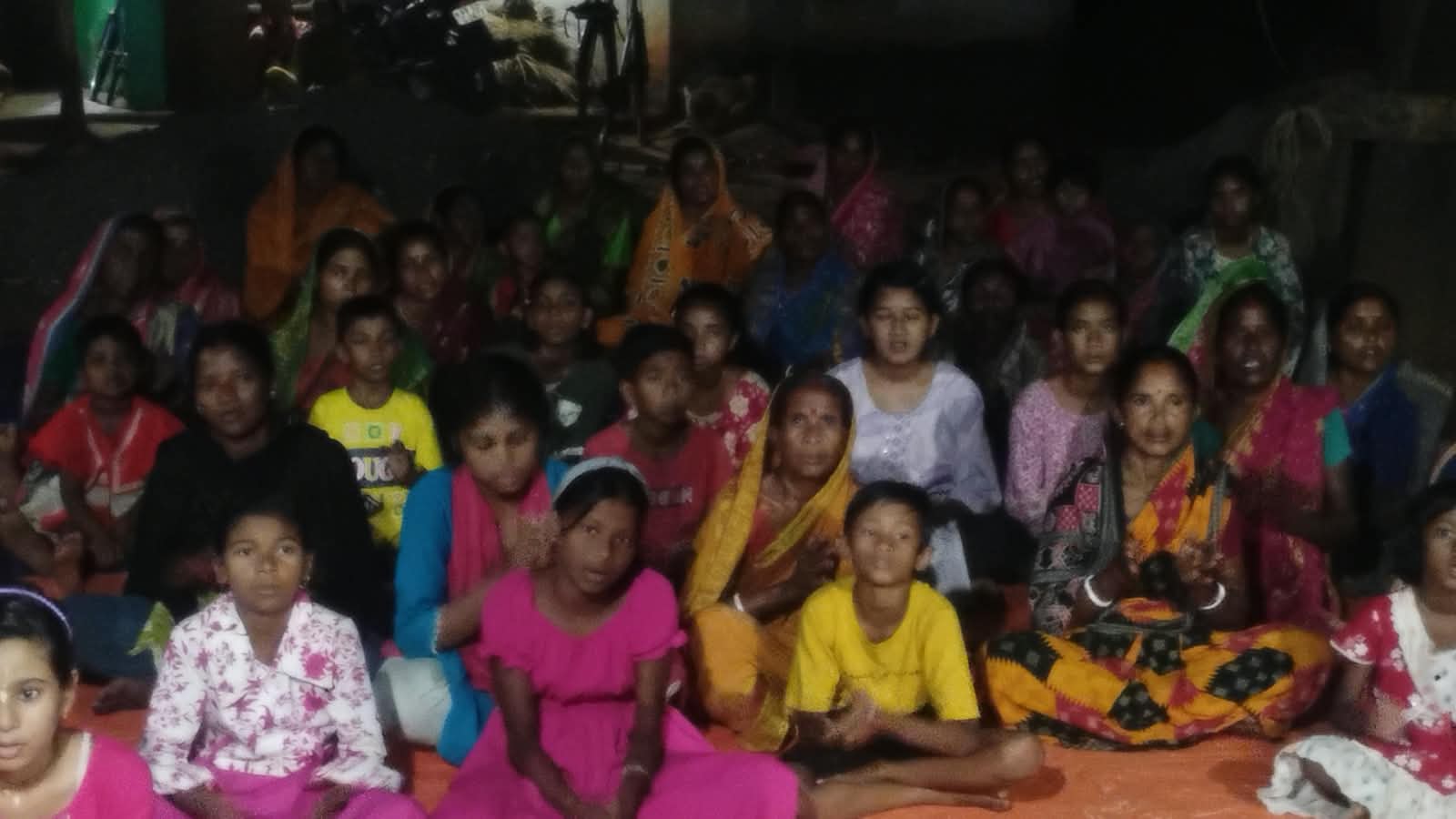
Arabaid is a village in Purulia district, West Bengal, and three field reports from there reached us in October 2026. On 13 October a Harinam sankirtan was held with the children of the village, and mahaprasad was distributed. On 14 October another Harinam sankirtan was held in the adivasi para with children and elders. On 21 October the weekly programme was held again. Each report names the same place and the same organiser, working on behalf of India Tribal Care.
What the reports say
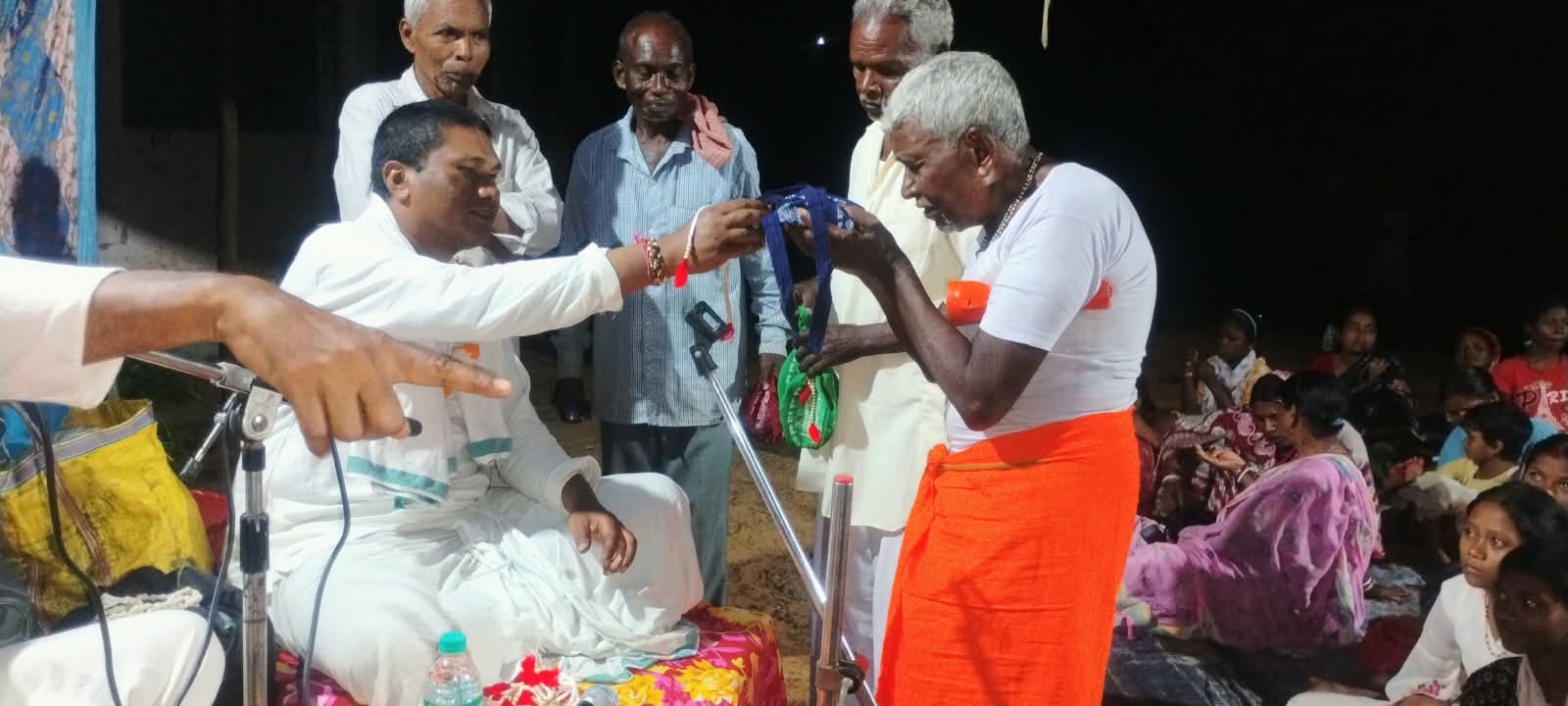
The reports are short and factual. The 13 October report states that a Harinam sankirtan was held with all the children and that mahaprasad was distributed afterwards. The 14 October report adds the adivasi para as the location and says the gathering was of children and elders together. The 21 October report is one line: the weekly programme, Arabaid, Purulia, on behalf of India Tribal Care Trust, dated 21 October 2026.
Nothing in them describes a stage, a microphone, or an invited audience from outside the village. What they describe is a kirtan and a meal.
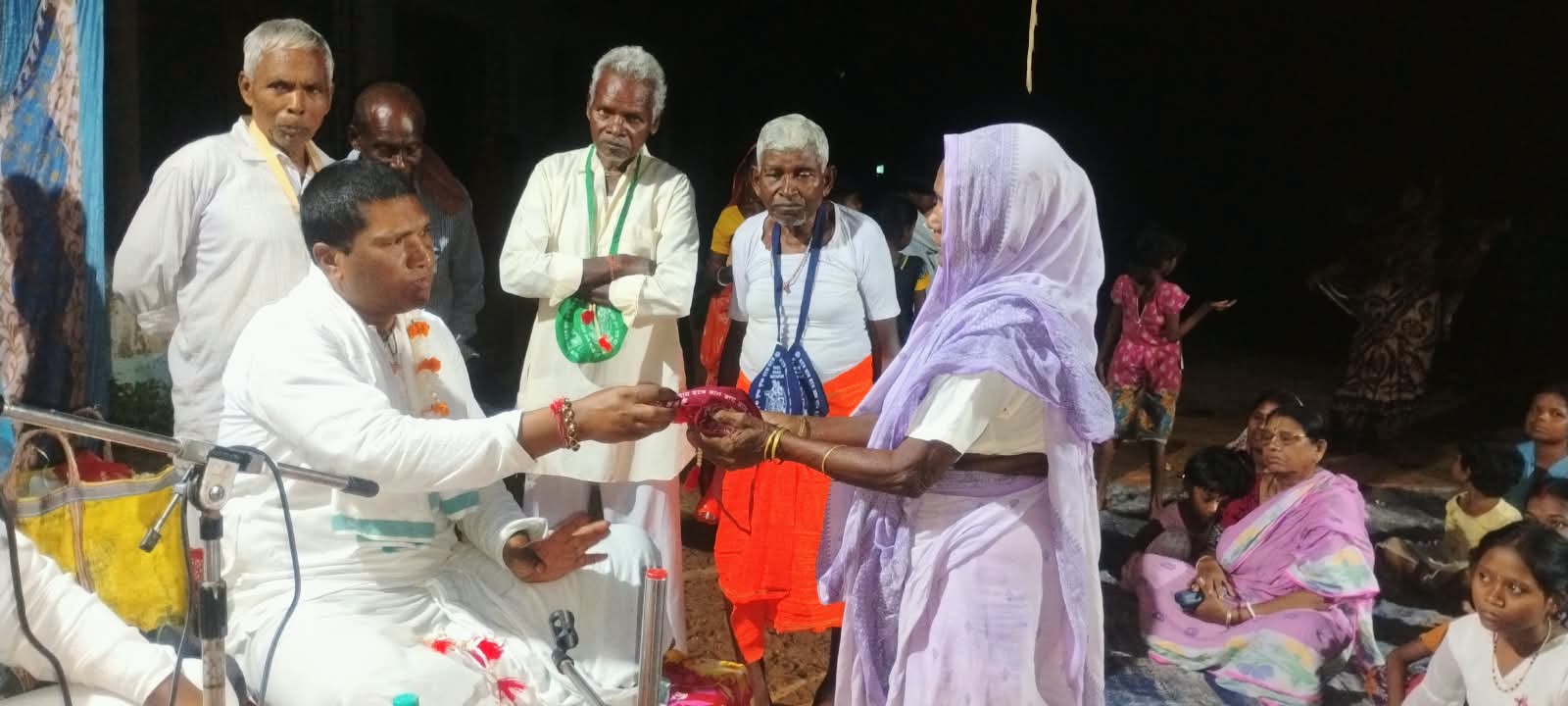
Why the children come first
A kirtan led by children changes the character of a village gathering. When adults sing, the children are usually at the edge, watching. When the children sing, the adults stop and listen, and the devotional life of the village acquires a next generation rather than a memory.
There is a practical reason as well. Children learn a melody by ear without a class, without a book, and without a teacher being paid for the hour. The only requirement is that someone starts, and that the same group meets again the following week.
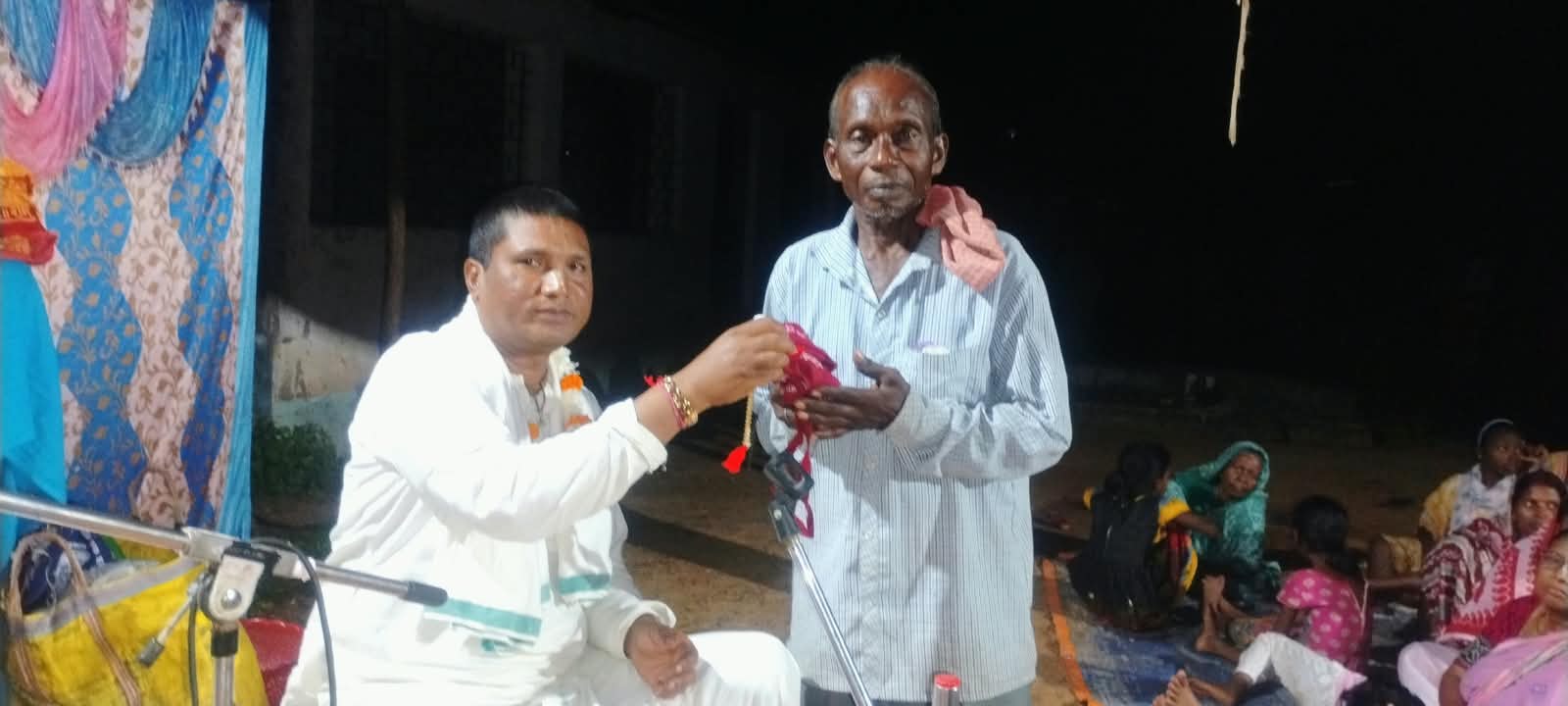
Mahaprasad as the second half
A Harinam sankirtan in these villages is rarely only a kirtan. It ends with mahaprasad, and the reports from Arabaid name the distribution explicitly on 13 October — food offered and then shared with everyone present.
That order matters. The kirtan gathers the village, and the meal makes sure nobody leaves without eating. For a family whose daily meal is uncertain, a shared meal after a devotional gathering is not a supplement to the programme; it is a substantial reason to come, and to come again.
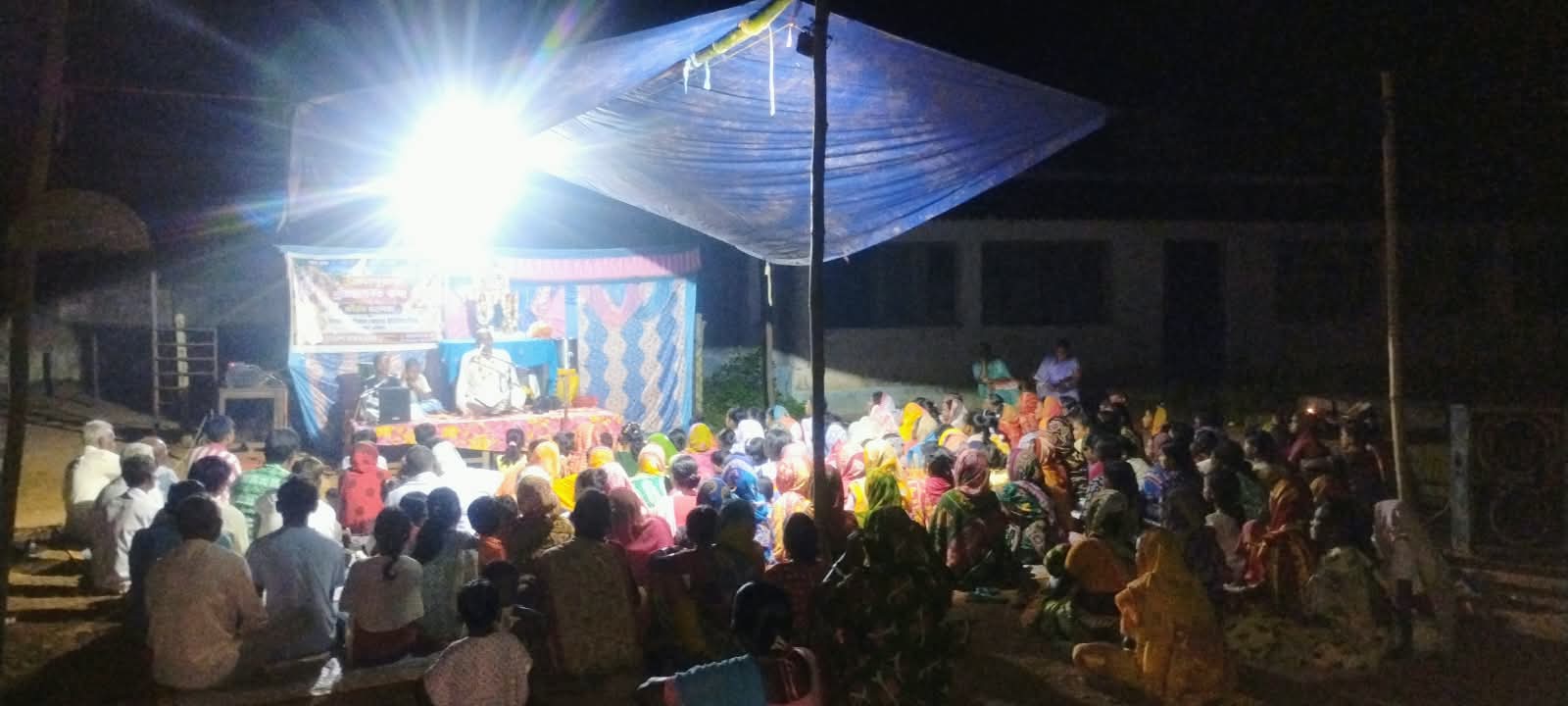
A weekly programme rather than an event
The 21 October report calls it a weekly programme, and that phrase is the important part. A single festival can be arranged from outside and then stop when the organisers go home. A programme that repeats every week belongs to the people who keep it.
The pattern in Arabaid is the one that repeats across the mission's cultural care work: kirtan, recitation and reading in the village, a shared meal, and an organiser who lives among the families he visits. The form is deliberately undemanding, so that it survives when there is no funding for a hall, no stage to build, and no printed material to distribute.
Where this sits in the work
The reports from Arabaid fall within the cultural care and free meal strands of India Tribal Care Trust, alongside the katha programmes in Jhargram, the children's Harinam in Moran Nasoni in Assam, and the Harinam sankirtan at Arsha Hari Mandir. All of them are local gatherings, arranged with the families who attend them, and reported to the group by the people who held them.
Purulia district lies in the western part of West Bengal. Its villages are among the places where the Trust works, and the weekly programme in Arabaid is one of the ways that work is carried out — a kirtan, a meal, and the same people meeting again next week.